
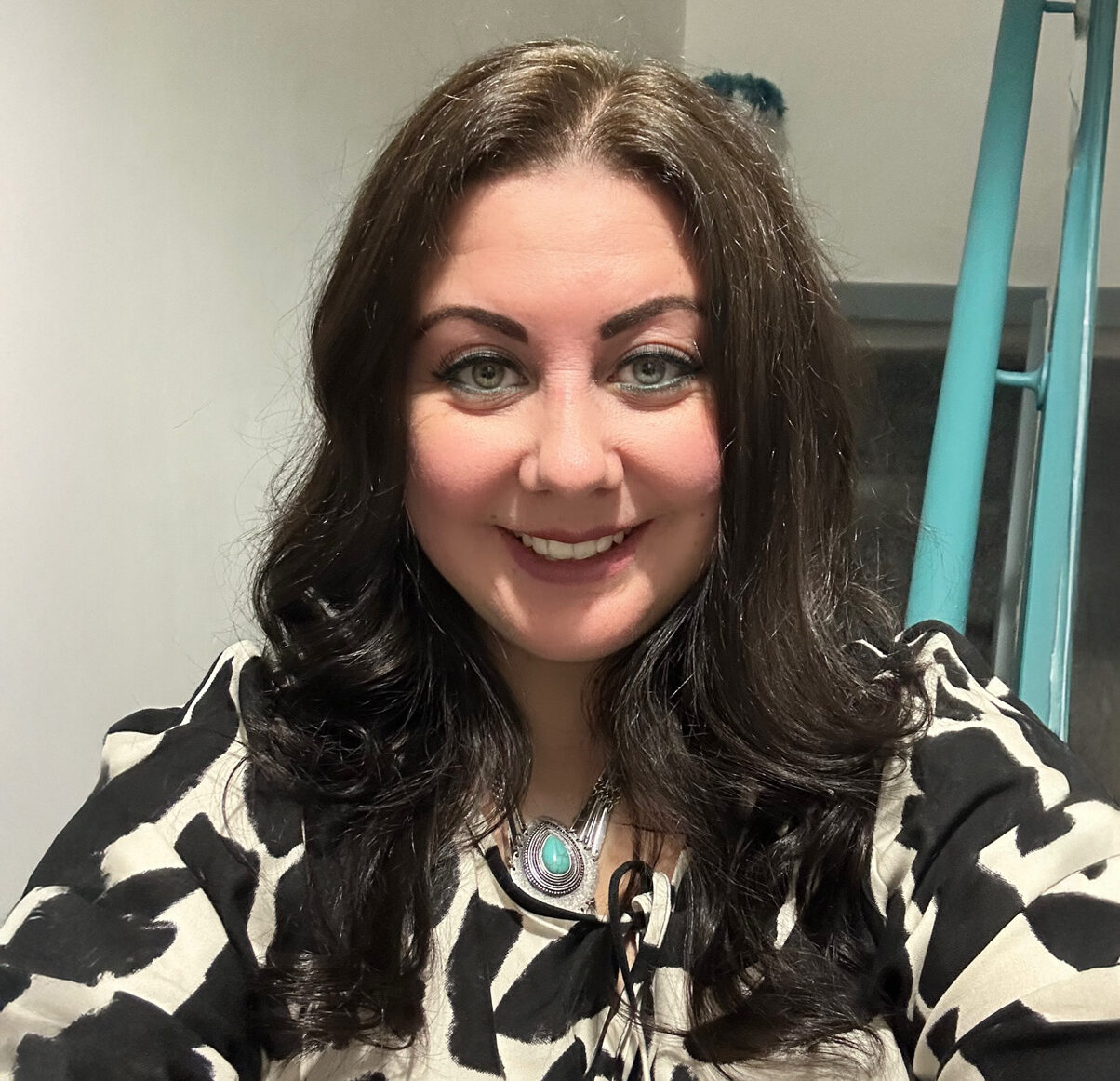
To tie in with this year’s Endometriosis Action Month, Rachel Tardito, Equality, Diversity and Wellbeing Lead, shares her experience of living with endometriosis and adenomyosis.
Endometriosis is a chronic condition where tissue similar to the lining of the womb grows elsewhere in the body. It affects around 1 in 10 women and those assigned female at birth. Symptoms vary from person to person – and month to month – and some people have no symptoms at all. For others, it can significantly affect daily life.
Rachel’s story is part of a series of staff stories to help raise awareness, share personal experiences and support a more inclusive workplace. It follows on from Gillian Peachey-Green’s story about her experience living with Microtia, Atresia and Hemifacial Microsomia featured in the Winter 2025/26 issue.
Why did you want to share your story?
Earlier in my career, I would never have spoken openly about something this personal. Period pain felt like something to manage quietly, without impacting anyone else.
I’m sharing my story so others feel able to speak up sooner, ask for support, and know they don’t have to struggle in silence. I also want to raise awareness of endometriosis and adenomyosis and make it easier to talk about menstruation, menopause, pain and long-term health conditions at work.
What has your experience been?
Honestly? Awful. My symptoms have always gone far beyond what many would consider ‘normal’.
The pain can feel extreme, alongside heavy and prolonged bleeding, flooding, leg and lower back pain, brain fog and fatigue. It can feel like barbed wire or a stabbing pain and can be both physically and mentally draining, making even simple tasks feel difficult.
How was diagnosis?
It wasn’t straightforward. These are complex conditions with varied symptoms. What made the difference was clinicians who listened, showed empathy and worked with me.
How does this affect you at work?
There are practical worries, such as needing frequent bathroom breaks, carrying spare clothes and supplies ‘just in case’. But there’s also the invisible impact – managing pain while trying to focus, worrying about underperforming, and carrying the mental load of staying professional while uncomfortable. Guilt about needing flexibility can add to that strain.
What has helped most?
A supportive manager and team. Being able to be open without judgement and knowing flexibility is possible makes a huge difference. Having a manager who supports me and enables me to make adjustments to how I work, like taking breaks or using a hot water bottle, can transform a difficult day into a manageable one.
The Once for Scotland Menopause and Menstruation Policy has also been invaluable. Its existence sends a clear message that these experiences are recognised and supported at work.
NHS Forth Valley and Endometriosis UK
NHS Forth Valley has joined the Endometriosis UK Friendly Employer Scheme, demonstrating commitment not just in policy, but in culture. It helps normalise conversations and reassures staff they don’t have to manage a long-term condition in silence.
Why are staff networks and shared stories important?
The Menopause and Menstruation Staff Network creates space for connection and conversation. Sharing stories reduces stigma and builds understanding.
It’s also important to avoid assumptions, particularly around fertility and children. Endometriosis can deeply affect fertility for some people, and sensitivity and kindness matter.
Final thoughts
Endometriosis isn’t ‘just a bad period’ (and neither is adenomyosis). Understanding, flexibility and compassion can make a real difference. Supportive colleagues make even the hardest days more manageable.
Learn more and find support
- Endometriosis UK – information, advice and support groups (including one in Forth Valley)
- Menopause and Menstruation Staff Network – a safe space to connect and share experiences. Email the Equality, Inclusion and Wellbeing team to join the mailing list and MS Teams channel
If you’re experiencing symptoms, or supporting someone who is, consider speaking to a GP or gynaecologist and exploring support or adjustments with your line manager.
Stories like this help create a culture where people feel seen, heard and supported. If you’d like to share your story, please contact the Equality, Inclusion and Wellbeing team.